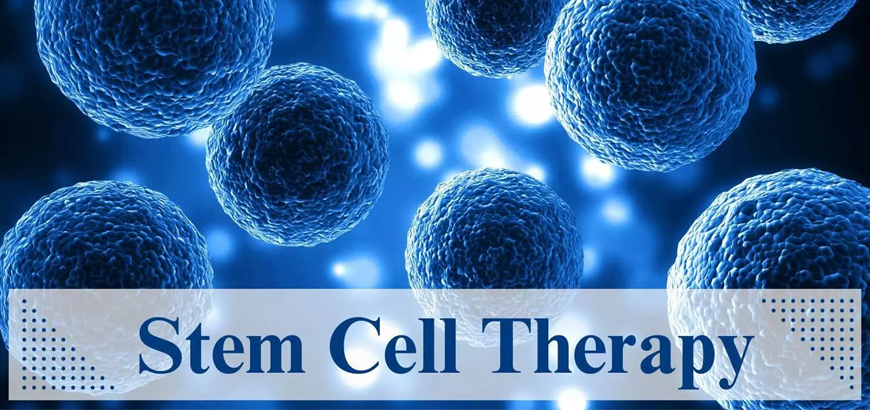
Stem Cell
Our body is blessed with a variety of cells, stem cells are the one which provides new
cells for the body as it grows. Stem cells are the superheroes of the human body which
have the unique ability to develop into different cell types. Along with that, stem
cells can divide over and over again to produce new cells and change into other types of
cells from muscle cells to brain cells.
And that’s not all, they also can repair
damaged tissues. Under the right conditions in the body or a laboratory, daughter cells
result from the division of a single parent cell. Daughter cells serve the body in two
ways, either it takes the form of new stem cells or specialized cells.
Every single individual is born different, some humans have healthy bodies whereas
others remain unhealthy throughout their lives. There are cases of people being born
with neuromuscular disorders or get affected by degenerative disorder over time. Stem
Cell Therapy (SCT) is a cure/treatment for a good number of disorders which vary from
being non-serious to life-threatening. With the use of special stem cells, over 80
disorders including degenerative and neuromuscular can be treated.
Stem cells are
widely counted upon by doctors and researchers due to their ability and potential to
regenerate, repair and treat diseases. Bone marrow transplantation is the most common
and familiar form of stem therapy in use. The therapy helps in curing the cancer present
in blood cells or any other disorders related to blood and bones. One thing to be kept
in mind about stem cell therapy is that it is not an easy process. The doctor has to
consider a lot of factors such as choosing the right stem cells, matching with the
recipient and appropriate delivery of stem cells to the desired location in the body.
Further, doctors are trying to research to understand the different uses of stem cells
to cure different diseases and disorders.
There are mainly three types of stem cells:
-
Embryonic stem cells. These stem cells are considered pluripotent, which means they can change into any cell in the body. These cells supply new cells for embryos that are 3-5 days old. A major highlight of these cells is that they can be used to repair diseased tissue and organs.
-
Adult stem cells. These cells are considered multipotent which means they can only change into a few cells in the body such as skin stem cells, blood stem cells. Adult stem cells are found in most adult tissues and are efficient enough to replace cells that get damaged.
-
Induced pluripotent stem cells.These are the cells that doctors make in the laboratory and are adult cells taken to reprogram into stem cells. iPS cells are pluripotent, which means they can change into any cell in the body.
Stem cells in therapy
Stem cells in therapy can be one way of generating new cells and helping the damaged
cells, tissues or organs heal. It can also be a great way to regenerative medicine.
Doctors and researchers believe that stem cells in therapy can cure diseases that have
been left untreated for a long time. In some tissues, stem cells play an important role
by switching the damaged cells with new cells.
A good example of stem cells in
therapy is where a person’s heart with damaged tissues. The doctors may diagnose the
issue and transplant healthy tissue in the person’s heart. There are good no. of chances
that the stimulation may lead the heart tissue to renew itself. The research showed that
a 40% reduction in the size of the damaged heart tissue with the replacement procedure.
However, there can be cases in which the heart tissue doest heal. The doctors have been
carrying out various tests as to come to one conclusion and to understand if stem cells
are the next big thing leading towards a cure for many diseases.
Stem cells from unconventional sources
In the present time, stem cell therapy is proffering promising results all because of its great potential and unique abilities. The procedure is inexpensive, safe and speedy in comparison to the conventional therapies. A lot of development has lead to surprising growth, a clear indication of which are the successful stem cell treatments. Stem cell therapy is taking the current medical science with a storm and the future ascertains great hopes for curing various diseases.
Stem Cells Therapy in India
Restrictive Procedure – The Lap Gastric Band
Stem cell therapy has been doing wonders for the treatment of diseases. With every passing day, there is a certain increase in research work as to how stem cell therapy can help patients combat acute and chronic diseases. Which is why it is not wrong to believe that India and the world could move a step towards replacing the ineffective, expensive and protracted therapies with stem cell therapy.
What is stem cell therapy (regenerative medicine) and how does it work?
Also known as regenerative medicine, stem cell therapy is the use of stem cells to repair
the dysfunctional, diseased or injured tissue. It is considered the next big step in the
field of medicine where cells are used in place of donor organs, which is great
progress. Additionally, stem cell therapy is the future in treating chronic and acute
diseases compared to the previous /present painstaking therapies.
The main aim of using stem cells is that they provide new cells to the body along with
replacing the specialized damaged cells. Researchers grow stem cells in a lab and they
are influenced in a way to specialize in specific types of cells. Thereafter, the stem
cells can be implanted into a person to repair the disease he/she has been suffering
from. For example, a person with heart disease will be injected with heart muscle cells
to repair the defect.
Have stem cells have already been used to treat diseases?
Bone marrow transplantation is one of the most common examples of stem cell therapy that is in common use. Along with that, research is underway to determine whether the use of stem cells can help in treating various types of cancer, blood-related diseases along with heart disease, spinal cord injury, Parkinson’s disease, and diabetes. Few of these transplants use adult stem cells or umbilical cord blood.